Benefit of the Credential
- Recognition of Expertise: The CPPM credential is a recognized symbol of expertise in project management. It signifies that the holder has demonstrated a strong understanding of project management principles and practices.
- Career Opportunities: The credential enhances professional credibility in the eyes of colleagues, clients, and stakeholders. It validates a professional's commitment to maintaining high standards in project management.
- Professional Credibility: The credential enhances professional credibility in the eyes of colleagues, clients, and stakeholders. It validates a professional's commitment to maintaining high standards in project management.
- Verification through Portal: The digital badge and certificate can be easily verified through the NPMAUK portal, providing credibility to your certification.
Eligibility Criteria
Assessment Component
- Knowledge Test: Assessment of understanding tools, models, and frameworks used in project planning, execution, and assessment.
- Skill Test: Assessing the ability to navigate real-world project scenarios and make informed decisions.
- Digital Badge and Certificate: Successful candidates will receive a digital badge and a certificate.Both can be verified through the certification body's portal, providing a secure and easily accessible way to showcase the achievement.
Assessment Area
Develop Project Charter
Develop Project Management Plan
Direct and Manage Project Work
Monitor and Control Project Work
Perform Integrated Change Control
Close Project or Phase
Plan Scope Management
Collect Requirements
Define Scope
Create Work Breakdown Structure (WBS)
Validate Scope
Control Scope
Plan Schedule Management
Define Activities
Sequence Activities
Estimate Activity Durations
Develop Schedule
Plan Cost Management
Estimate Costs
Determine Budget
Control Costs
Plan Quality Management
Perform Quality Assurance
Control Quality
Plan Human Resource Management
Acquire Project Team
Develop Project Team
Manage Project Team
Plan Communications Management
Manage Communications
Monitor Communications
Plan Risk Management
Identify Risks
Perform Qualitative Risk Analysis
Perform Quantitative Risk Analysis
Plan Risk Responses
Monitor and Control Risks
Plan Procurement Management
Conduct Procurements
Control Procurements
Close Procurements
Identify Stakeholders
Plan Stakeholder Engagement
Manage Stakeholder Engagement
Monitor Stakeholder Engagement
Ethics and Professional Conduct
Social Responsibility
Exam Guideline
The CPPM exam consists of a combination of multiple-choice questions, scenario-based questions, and strategic project analysis.
Moderately tough analytical MCQ/ Case based MCQ
The passing score for the CPPM exam is set at 70%.
Total Marks: 200
Total Questions: 40
Total Time: 60 Minutes
Qualifying Marks: 70%
Note: By earning the CPPM credential, professionals will gain the knowledge and expertise needed to lead and execute projects successfully, making a significant impact on organizational project management capabilities
Sample Questions
Question: In a typical project team, who is primarily responsible for defining the project's objectives and overseeing quality throughout the project lifecycle?
a. Project Coordinator
b. Project Manager
c. Quality Assurance Specialist
d. Team Lead
Question: In a project team, who is primarily responsible for aligning the project objectives with the organization’s strategic goals?
a. Project Sponsor
b. Project Manager
c. Business Analyst
d. Stakeholder
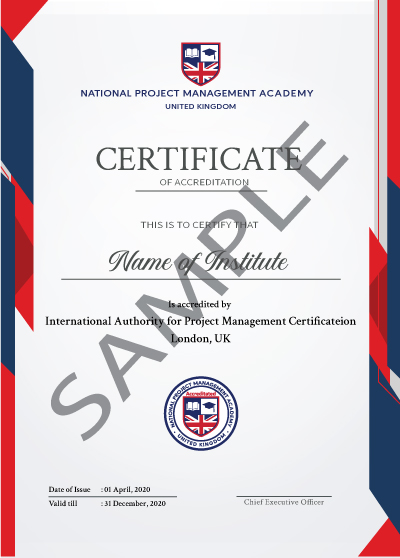
Sample Certificate & Digital Badge
CPPM Certification
Printing and courier charges for physical certificates will be calculated based on your location